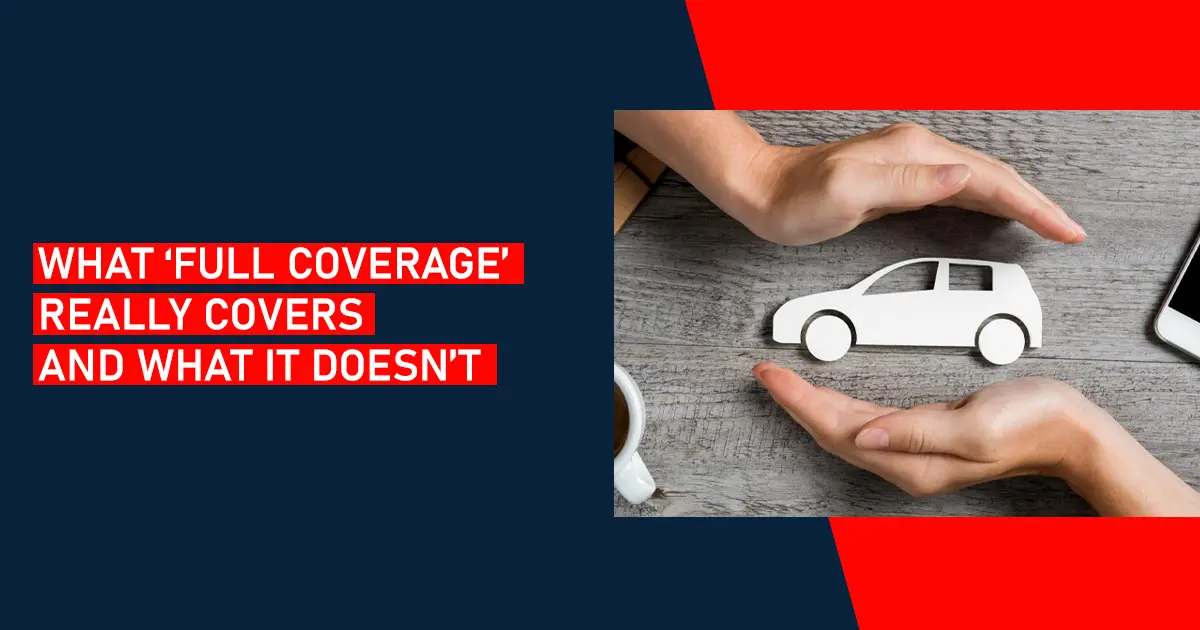
“Full coverage” is a term many drivers hear when shopping for auto insurance, but what does it really mean? Despite its common use, “full coverage” is not an official insurance term, and it can often cause confusion. Many people assume it means they are completely protected against all risks, but the reality is more complex. Misunderstanding what “full coverage” entails can lead to gaps in protection or unexpected expenses when accidents happen.
Nearly half of drivers believe that full coverage means their insurance will cover any damage to their vehicle in every situation. However, insurance policies vary widely, and understanding the specific coverages that make up “full coverage” is essential for making informed decisions. This article will clarify what “full coverage” actually means, explain the key types of coverage it usually includes, and offer practical guidance for choosing the right protection for your vehicle and budget.
The phrase “full coverage” is widely used in casual conversations and even in some insurance marketing, but it is not a term defined by insurance companies or regulators. It generally refers to a combination of coverages that go beyond the legally required minimum liability insurance, but what that combination includes can differ significantly from one policy to another.
Because “full coverage” is not standardized, many drivers assume it covers everything, from accidents and theft to natural disasters and even mechanical failure. This misunderstanding can cause frustration when a claim is denied because the damage is not covered under the policy’s specific terms.
Research shows that many drivers do not fully grasp what their insurance actually covers, which can lead to costly surprises. The confusion around “full coverage” often results in people either overpaying for unnecessary coverage or underinsuring themselves and facing large out-of-pocket expenses.
Liability insurance is the minimum coverage required by law in most states and the essential starting point for any auto insurance policy. It covers bodily injury and property damage that you cause to other people in an accident. For example, if you accidentally rear-end another vehicle, your liability coverage will pay for their medical bills and repairs to their car, up to your policy limits.
Liability does not cover your own injuries or vehicle repairs, which is why drivers often add other types of coverage to build what is commonly called “full coverage.”
Collision insurance pays for damage to your vehicle resulting from a collision with another car or object, regardless of who is at fault. For instance, if you hit a tree or another vehicle, this coverage helps pay for repairs or replacement of your car.
This coverage is especially valuable for newer or more expensive cars, where repair costs can be significant. However, collision coverage usually requires paying a deductible before the insurance company covers the rest.
Comprehensive coverage protects against damage to your vehicle from non-collision events such as theft, vandalism, fire, flood, hail, or hitting an animal. For example, if your car is stolen or damaged during a storm, comprehensive insurance helps cover the repair or replacement costs.
Like collision coverage, comprehensive insurance typically involves a deductible and is optional but strongly recommended for vehicles with higher value.
The decision on which coverages to include depends on factors such as your vehicle’s age, value, and whether it is financed or leased.
A deductible is the amount you agree to pay out of pocket before your insurance covers the remaining costs of a claim. Choosing a higher deductible typically lowers your monthly premium but increases your costs when you file a claim.
For example, if you have a $500 deductible and your repair costs are $3,000, you pay $500, and your insurer pays $2,500. Selecting an appropriate deductible depends on your financial comfort with paying more during a claim versus paying higher premiums regularly.
Regularly reviewing your policy helps ensure you have the right coverage for your current needs. Insurance needs can change with your vehicle’s age, driving habits, and financial situation.
Amistad Insurance offers assistance to review your existing coverage and explain options in clear, straightforward language without pressure. This can help you avoid costly gaps or excessive spending on unnecessary coverage.
Choosing the right coverage is a balance of protecting your assets and managing costs. Personalized advice from a trusted agent can help you select coverages that suit your specific situation, whether you drive a new car, an older vehicle, or a financed model.
If you’re uncertain about your auto insurance or want to ensure you have the right protection, reach out to Amistad Insurance. Our knowledgeable agents can review your policy, clarify what coverages you have, and help you make informed decisions tailored to your needs.
Understanding your policy now can prevent surprises later and give you peace of mind on the road.
“Full coverage” auto insurance is often misunderstood. It generally refers to a combination of liability, collision, and comprehensive coverages, along with possible additional protections like medical payments and uninsured motorist coverage. This combination offers broader protection than liability alone but is not a guarantee of coverage against every risk.
Knowing what each coverage does, how deductibles work, and how to select the right options for your vehicle type is key to making smart insurance choices. Avoid common mistakes by reviewing policy details carefully and seeking professional advice.
Amistad Insurance is here to help you navigate these choices calmly and clearly, ensuring your coverage fits your needs and budget without confusion or surprises.
Full coverage” typically combines liability insurance with collision and comprehensive coverage. It may also include medical payments, uninsured motorist protection, and other add-ons depending on the policy.
No, “full coverage” is not a legal requirement. Most states require minimum liability coverage, but collision and comprehensive are optional unless required by a lender or lease agreement.
A higher deductible usually lowers your premium but means you pay more out-of-pocket when making a claim. Choosing the right deductible depends on your budget and comfort with potential repair costs.
Yes, but it may not always be cost-effective. For older cars with low value, liability-only coverage might be sufficient. Collision and comprehensive costs should be weighed against the car’s worth.
Amistad Insurance can review your current policy, explain coverage options in simple terms, and help tailor your insurance to fit your vehicle and budget without pressure.